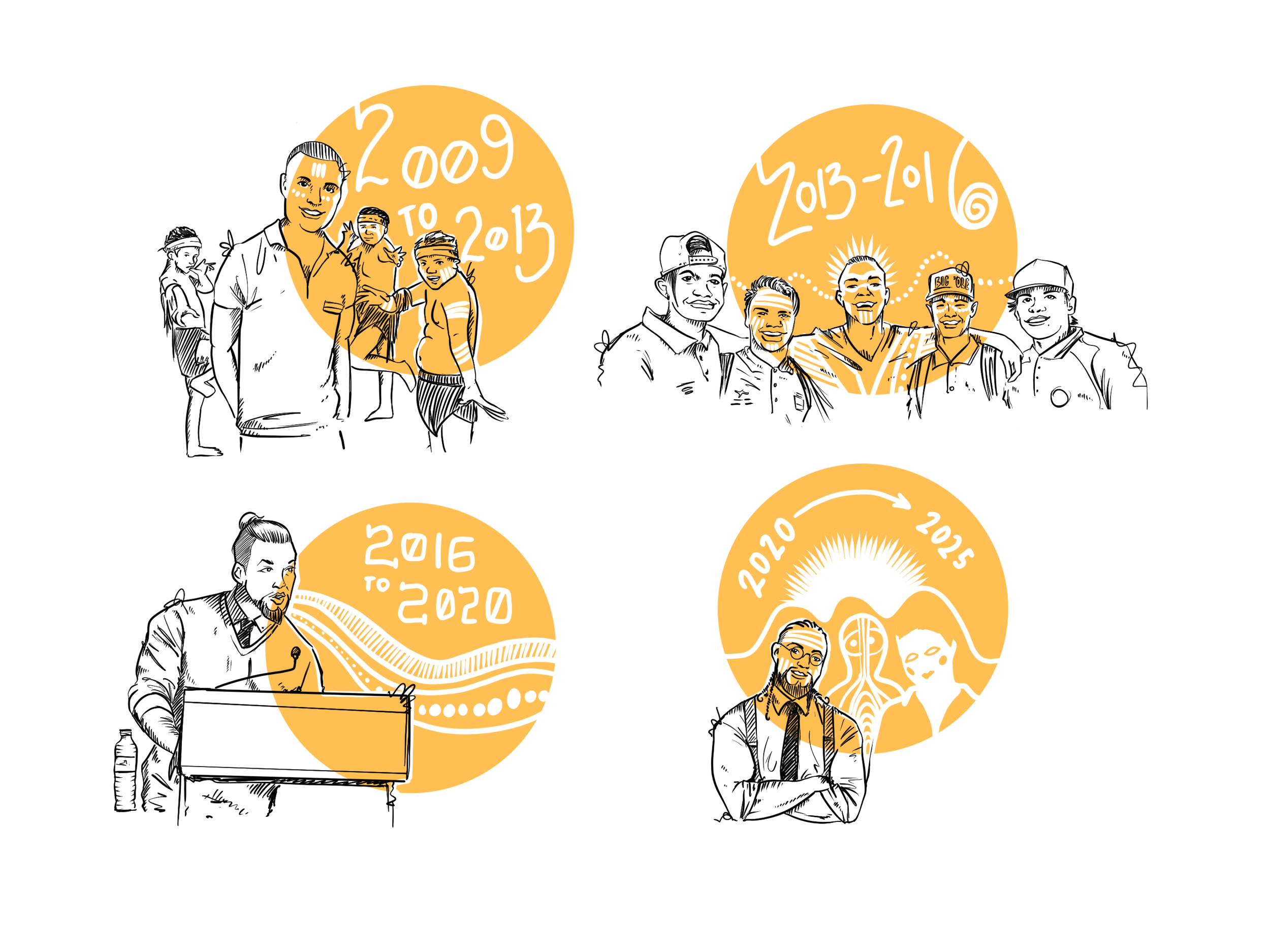
Rhys’ Career History
Season 1
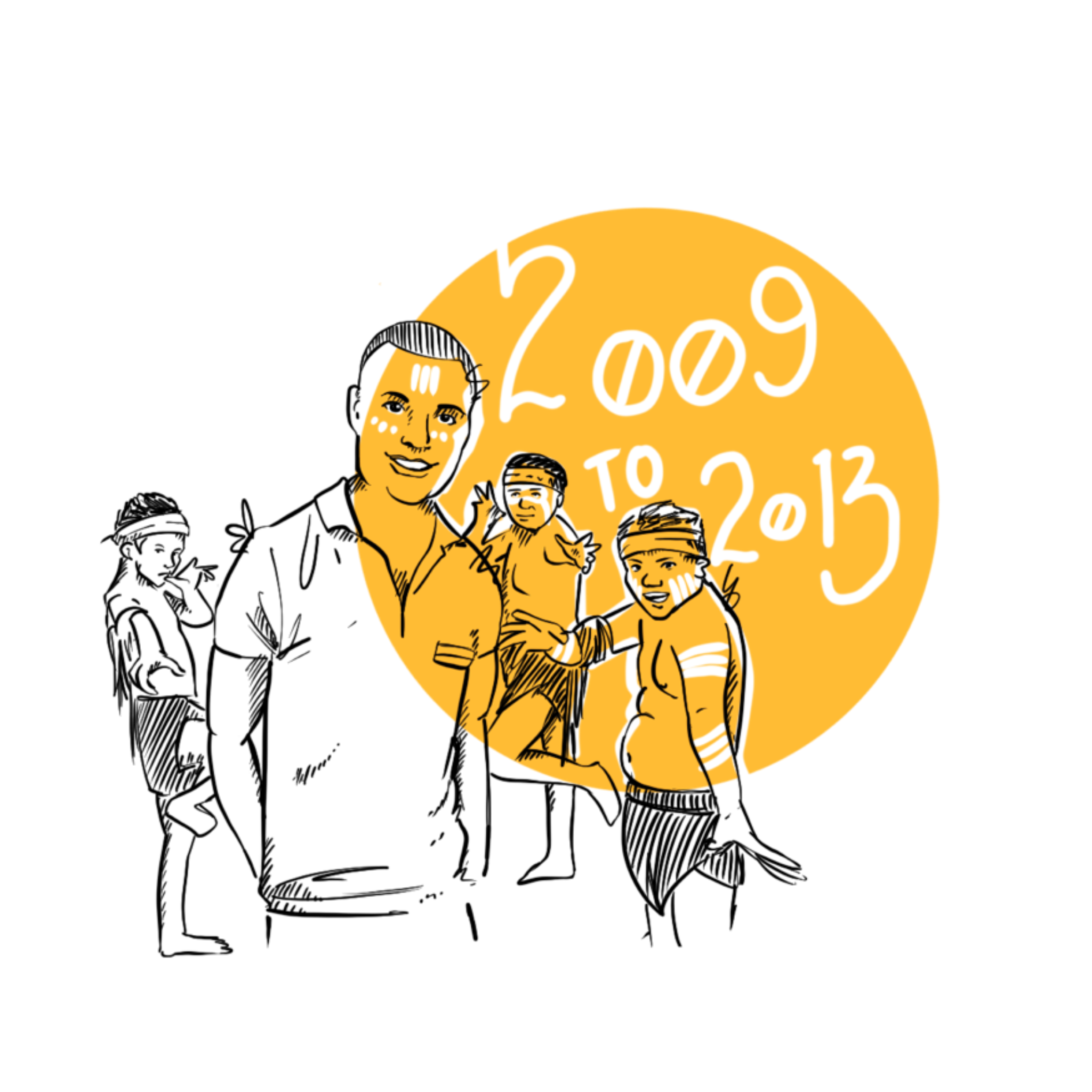
I began my career in 2009. It’s April, and I’m one year out of tafe. I studied a cert IV in Aboriginal theatre and I want to be an actor. Turns out the principal at my old school had just opened up a position of AIEO: Aboriginal and Islander Education Officer, and he wants me to apply.
The job (if I were to summarise it):
Support Aboriginal kids at the school.
Easy job for me. Half these kids I was already related to, and the other half I knew well considering I had graduated from there only 2 years prior.
***This was my entry into Aboriginal Education. ***
I learned and achieved a lot during this time. Some highlights include:
Improved Aboriginal attendance by 40%
Got me diploma in education support
Teach kids about Aboriginal stuff (I would share my artefacts & stories)
Organised and ran multiple NAIDOC week events
Do acknowledgements of country at every single assembly lol
I enjoyed my time at Ballajura Community College, but all good things must come to an end, and after 4.5 years I dipped.
Season 2
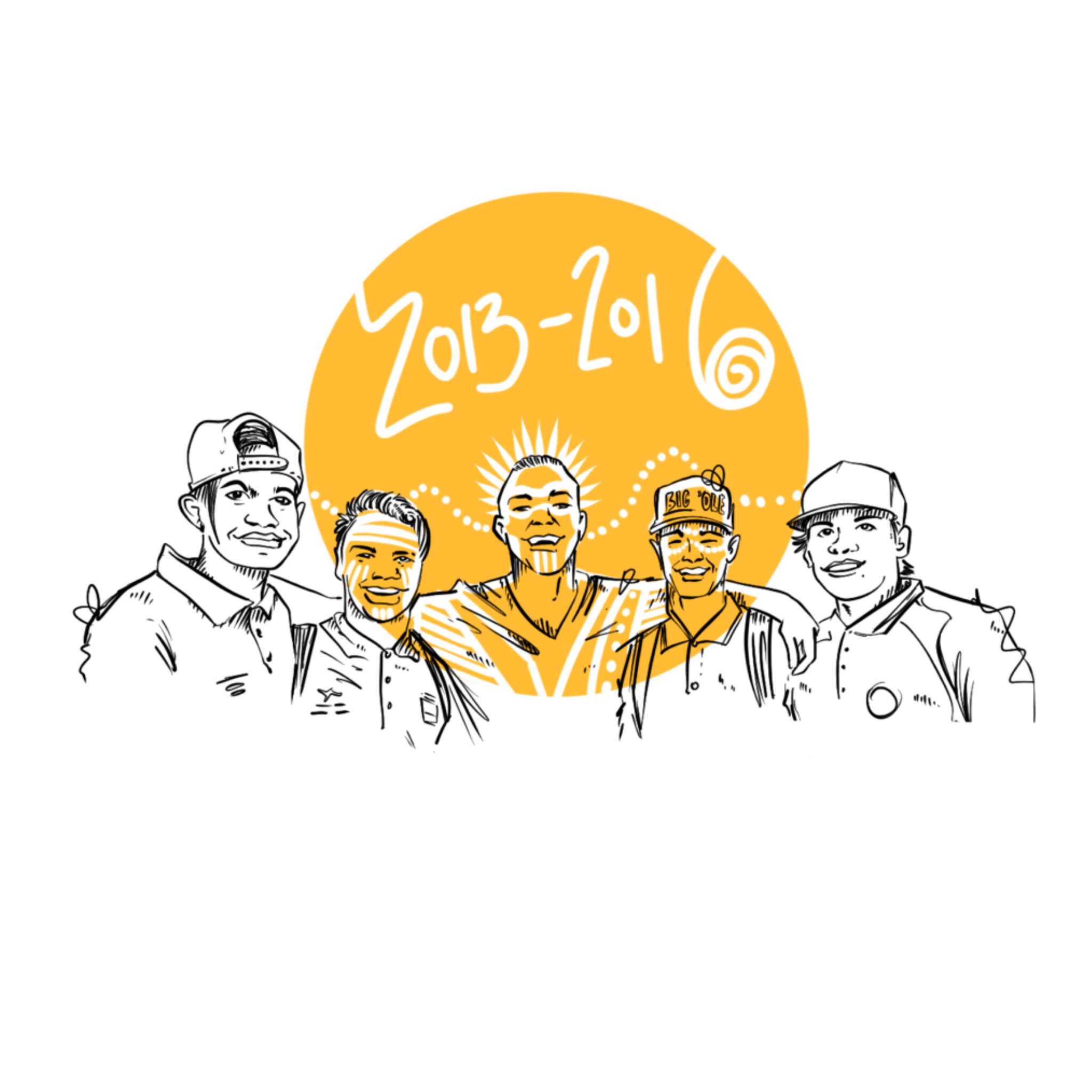
It’s 2014, there’s a fresh and hip new NFP that’s really beginning to kick off.
They focus on mentorship, specifically connecting Indigenous high school students with university student volunteers across Australia.
The organization facilitates "program days" on university campuses, where Aboriginal presenters curate and lead activities between the mentors (university students) and their mentees (Indigenous high school students).
They heard about how great I was, so they sent an envoy to deliver this message - turns out they needed my help as a presenter who happens to be Aboriginal to become a program manager.
My job was to:
Recruit and train student volunteers on campus to become mentors
Recruit Indigenous high school students to become mentees
Facilitate ‘program days’, where I delivered aspirational and confidence building workshops
Have fun (seriously this was in my contract)
Some successes included:
Ran and maintained the largest cohort of mentors in Australia (300+ mentors)
Had the longest mentee retention rate in Australia
Made multiple friends for life
After 3.5 years of living through what I call, “the golden era” of that particular organisation, we decided it was not meant to be, so “fly” they said, and thus I flew.
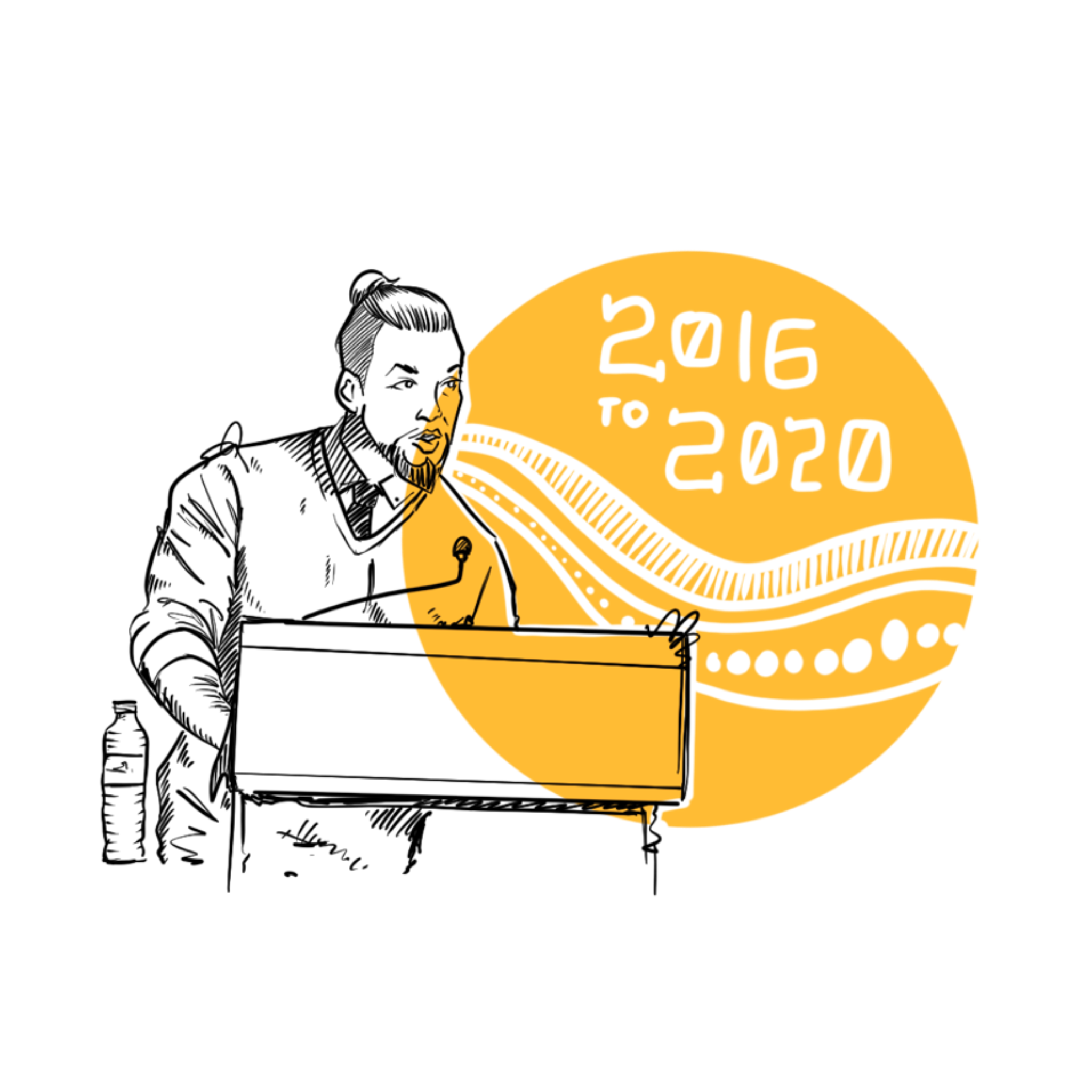
Season 3
Here was the ‘orienting’ phase of my career. At this stage, I am 7 years into the workforce and have had only 2 jobs. Turns out my mum is friends with Munya Andrews.
I bring this up because mum gets on the phone to her, and asks her if she had any work for me, knowing that both aunty Munya and I work in Aboriginal education.
This was the first time I had considered that I could actually be self-sufficient. I didn’t need an employer, I could just get me ABN and bobs your uncle.
During this time I did a lot:
Contracted my services as a presenter to bigger fish, delivering their content
Got an iPad, rediscovered drawing, then added that to my services as a digital artist
Worked for an Aboriginal owned consultancy organisation as a presenter (part time)
Worked for a local Government (part time) as their Aboriginal Youth Development Officer
Worked on country part time, walking young fullas through the bush, teaching them how to hunt with little plastic kangaroo targets and broom sticks for spears
Then, the Americans invaded. Not really. Well, one did. This is where I met my diversity hire, Emma Gibbens. Emma is a ‘change strategist’. She is also a ranga. She came to our superior country in 2018. We met up, realised we worked in similar spaces (culture change) and decided to merge forces. Then we created…
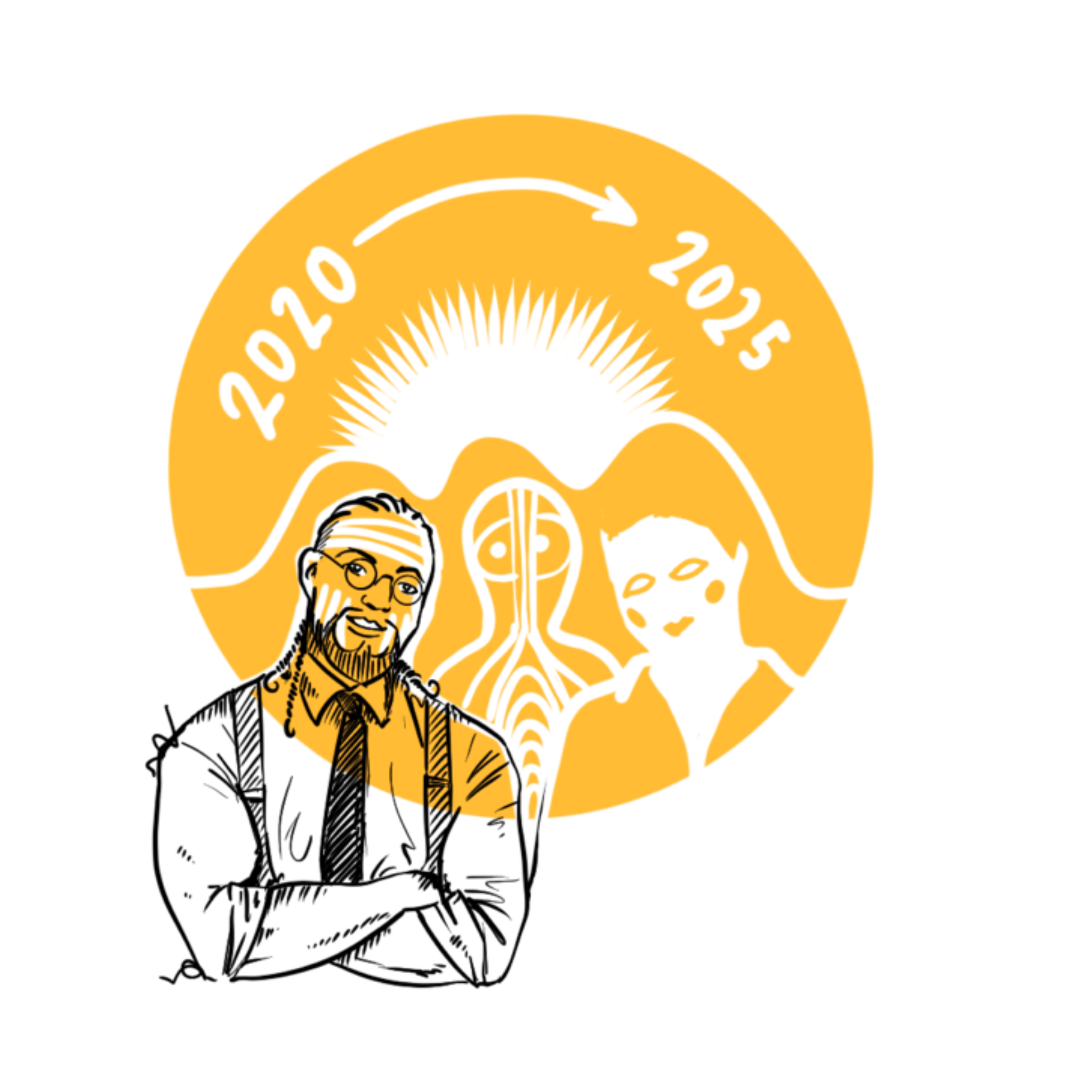
Season 4
It started with a question.
For the past fifteen years or so, something has been quietly making its way into the Australian consciousness.
We hear it at meetings.
We see it at the bottom of emails.
It’s written on plaques as we enter buildings.
And, if you’re really lucky, sometimes it even pops up before you can enter a website.
I’m talking about the Acknowledgement of Country.
And at some point I thought:
We should probably talk about that.
So we did.
What began as a conversation became a fortnightly public Zoom session. Anyone could join. No shame. No scripts to memorise. Just a space to understand what an Acknowledgement of Country actually is, why we do it, and how to make it mean something.
That conversation became Acknowledge This
And then things got bigger.
What started as one workshop became a business, a team and eventually the foundation for much of the work I do today.
Along the way, we:
trained more than 40,000 people through Acknowledge This alone
worked with organisations across Australia
built a yarning circle at Government House
planted hundreds of trees
wrote and illustrated a book
sponsored my best mate Abbie’s play
sponsored a kennel at the Shenton Park Dog Refuge
hired people, rented offices, travelled, experimented, failed, learned and kept building
Most importantly, Acknowledge This taught me something that would eventually become much bigger than Acknowledgements of Country.
People didn’t need another script.
They needed permission.
Permission to ask questions.
Permission to get it wrong.
Permission to find their own words.
Permission to participate.
I didn’t quite have the language for it yet.
But Modern Custodian was beginning to appear.
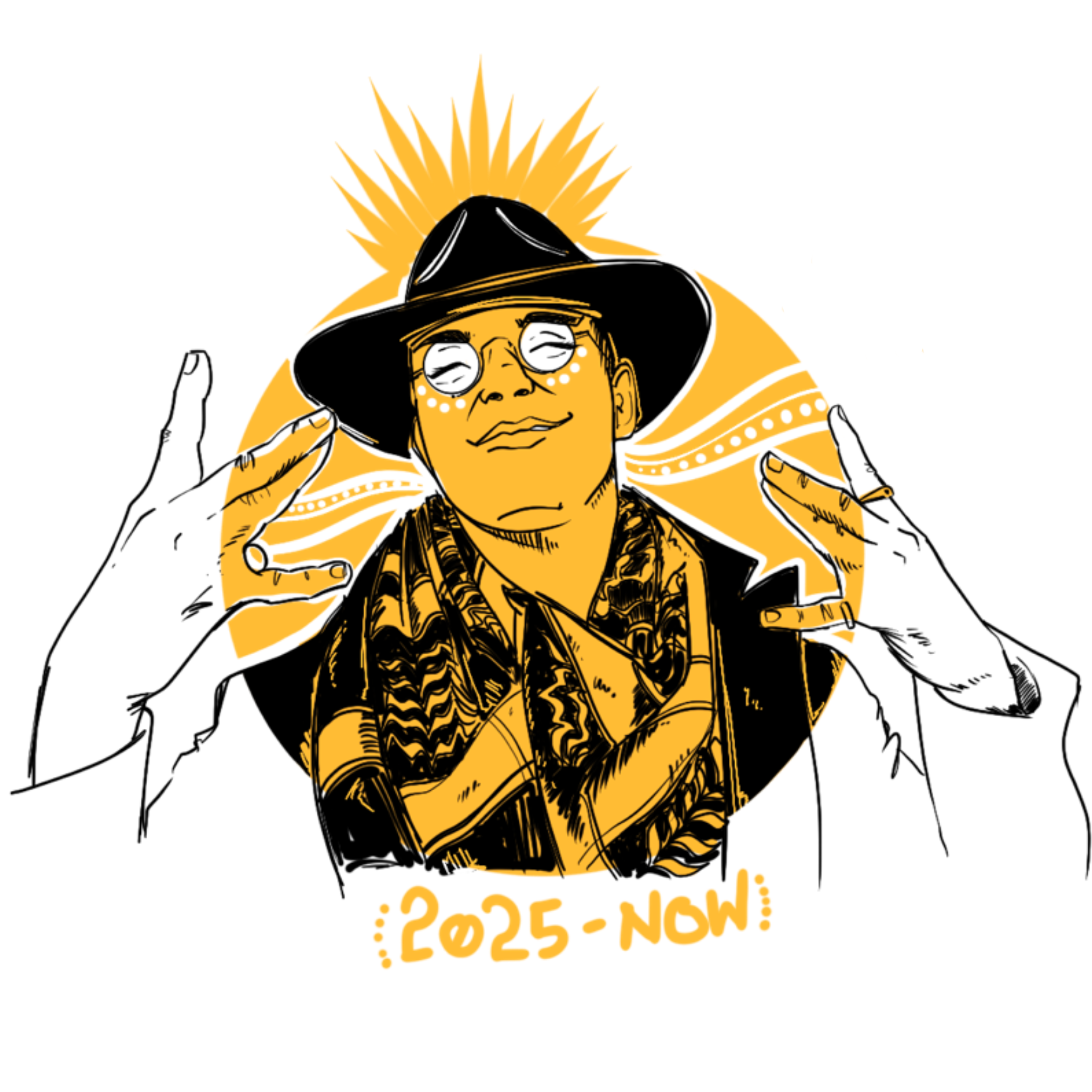
Season 5
If Season 4 was about the words we use, Season 5 has been about what happens between the words.
This was the season Acknowledge This became Modern Custodian.
And with the new name came a much bigger question:
What am I actually trying to create?
For a long time, I described what I did as training.
Then workshops.
Then facilitation.
None of those words quite fit anymore.
Because somewhere along the way, I stopped being as interested in transferring information and became much more interested in creating experiences.
Experiences where people could take their shoes off.
Move around.
Laugh.
Draw.
Reflect.
Talk to strangers.
Sit with discomfort.
See themselves differently.
And, most importantly, participate.
Over the past year, that shift has started showing up everywhere.
I created the Modern Custodian Reflection Cards — characters and archetypes that give people another way of exploring identity, behaviour and the roles we play.
Acknowledge This continued to evolve.
I created After Acknowledgement, asking what happens when our relationship with Country moves beyond the words at the beginning of a meeting.
Dabakarn Koorliny opened another door — into leadership, organisational culture and what happens when the people setting the tone of a place begin showing up differently.
And increasingly, organisations have invited me in not because they want an off-the-shelf workshop, but because they want to build something together.
That might be a conversation.
A room.
A leadership experience.
A piece of art.
A strange little experiment that doesn't have a name yet.
I've realised that's where some of my best work happens.
The work has become less about teaching people what to think and more about creating the conditions in which they can think and feel for themselves.
Less performance.
More participation.
Less instruction.
More permission.
And somewhere inside all of that, I found a sentence that seems to explain much more of my work than I expected:
I give people permission to be themselves.
That feels closer to the work than anything I’ve said before.
And I have the feeling we’re still only at the beginning.