Most cultural awareness training begins with content: what people need to know.
Dabakarn Koorliny begins with the room itself.
It is a live, in-person facilitated experience grounded in Noongar practice, designed to slow people down long enough for the culture they are creating together to become visible.
Through movement, storytelling, reflection and honest conversation, participants begin to notice how they show up, make space, contribute, listen and move alongside one another.
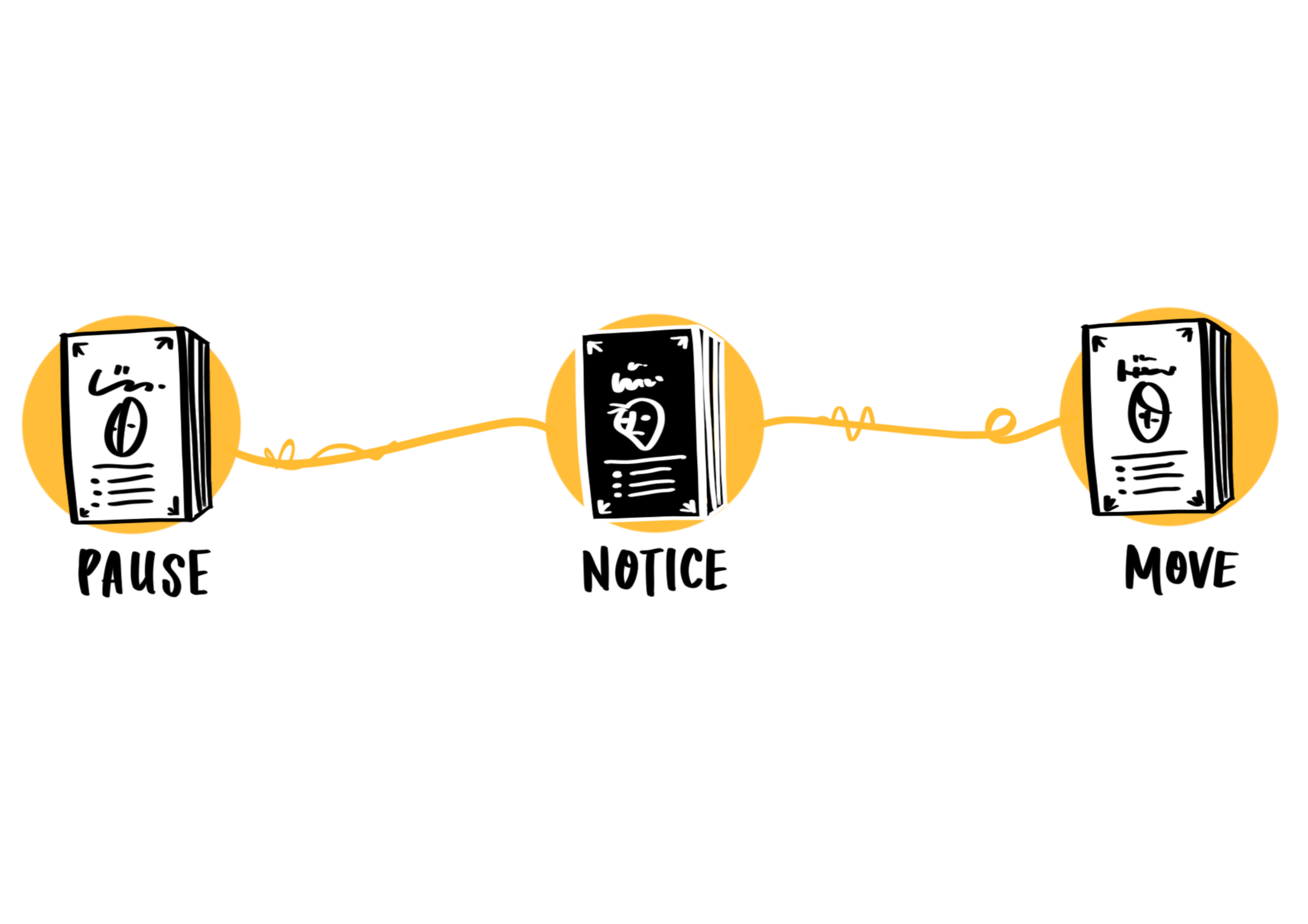
The experience moves through three invitations:
This is not a lecture.
It is not a personality assessment.
And it is not about teaching everyone one correct way to behave.
Instead, Dabakarn Koorliny creates space for people to recognise what is already present: the patterns shaping the room, the different qualities held by its people and the ways culture is being formed through everyday behaviour.
Because moving together does not require everyone to move the same.
Leadership Experience
90 minutes
From $10,000 + GST
A focused experience for the people who shape the conditions of the organisation.
Leaders examine what they are asking of others, what they are modelling and what their people may actually be experiencing.
Through story, reflection and conversation, participants consider how their presence influences a room, how urgency shapes behaviour and what their way of leading permits in the people around them.
The experience creates space for leaders to notice not only where they are trying to go, but how they are moving towards it.
Shared Staff Experience
2 hours
From $8,500 + GST
The wider organisation enters a live, participatory experience that makes space for different ways of thinking, contributing and belonging.
Participants are invited to step beyond their job titles and notice what they bring into the room: their strengths, questions, instincts, values and ways of relating.
Through movement, storytelling, reflective cards and shared conversation, people begin to recognise how they contribute to workplace culture and how they move alongside others.
The reflective cards are prompts rather than fixed labels or personality types. There is no correct card to choose.
The experience does not ask everyone to become the same.
It creates permission for people to participate as themselves.
Best For
Dabakarn Koorliny is particularly suited to:
Organisations navigating growth, transition or cultural change
Leadership teams wanting to understand what they are modelling
Groups needing shared language for how they move together
Organisations ready to examine behaviour, not only values
What Participants Can Expect
Dabakarn Koorliny is reflective, participatory and shaped by the people already in the room.
Participants may be invited to move, change position, reflect individually, yarn with others and contribute observations about the culture they are helping create.
No prior cultural knowledge is required.
People are not expected to arrive with prepared answers or perform in a particular way. Each participant is invited to take part from where they are, with curiosity, honesty and presence.
Pause. Notice. Move.
Sometimes the most important way forward begins with slowing down.